
The Integral Role of TM Flow Diagnostics in Modern Medical Practices
The role TM Flow diagnostics play in modern medical practices: diagnostic accuracy, patient experience and practice efficiency.
The role TM Flow diagnostics play in modern medical practices: diagnostic accuracy, patient experience and practice efficiency.
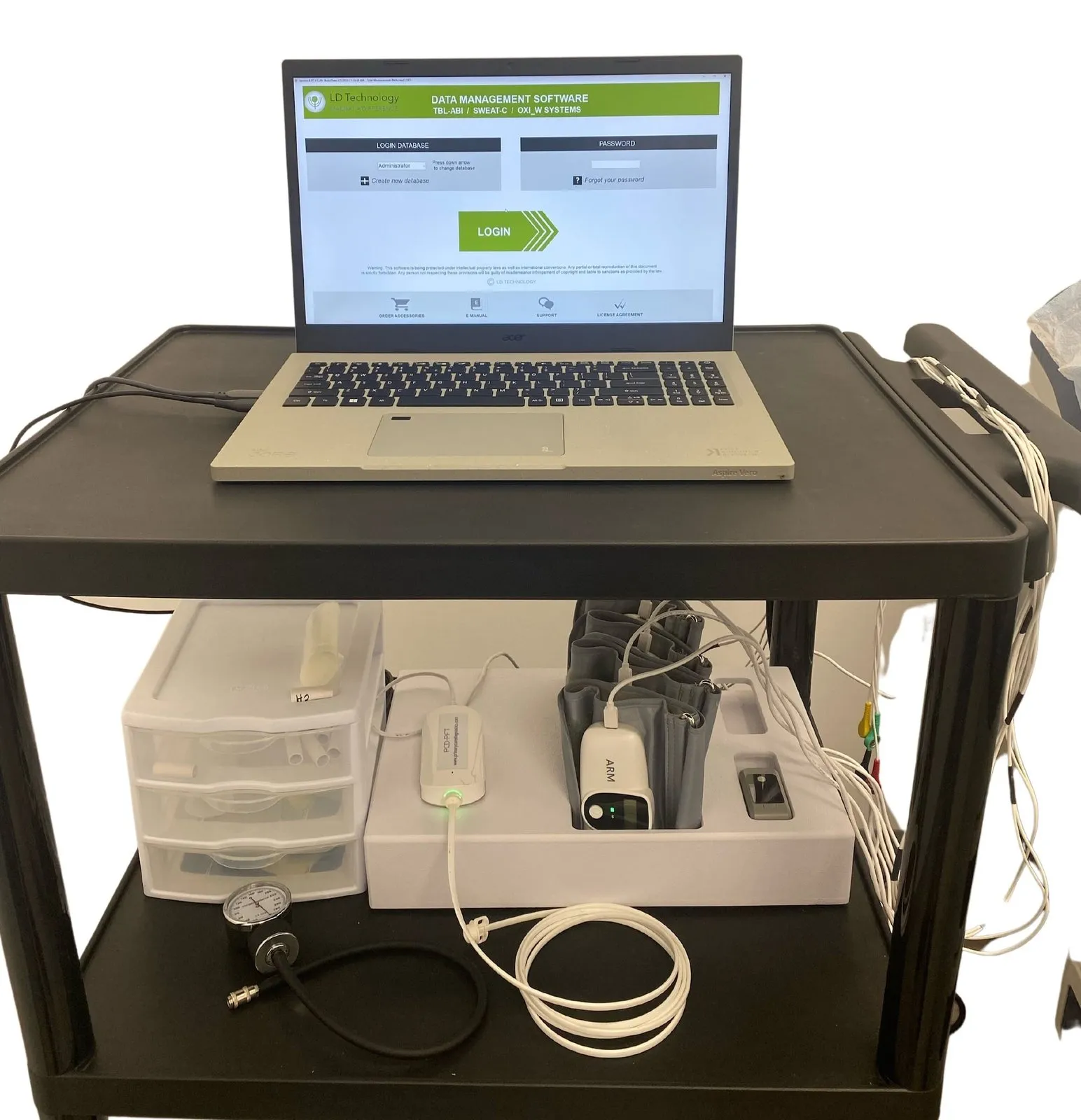
How the TM Flow System fits into a clinic’s daily workflow: a 7-10 minute non-invasive test, clear reports and faster, more precise diagnostic decisions.
How the TM Flow System helps practices detect and manage cardiovascular risk with fast, non-invasive autonomic and vascular testing.
How the TM Flow System’s non-invasive diagnostics improve patient outcomes and practice revenue for clinicians managing metabolic and cardiovascular risk.
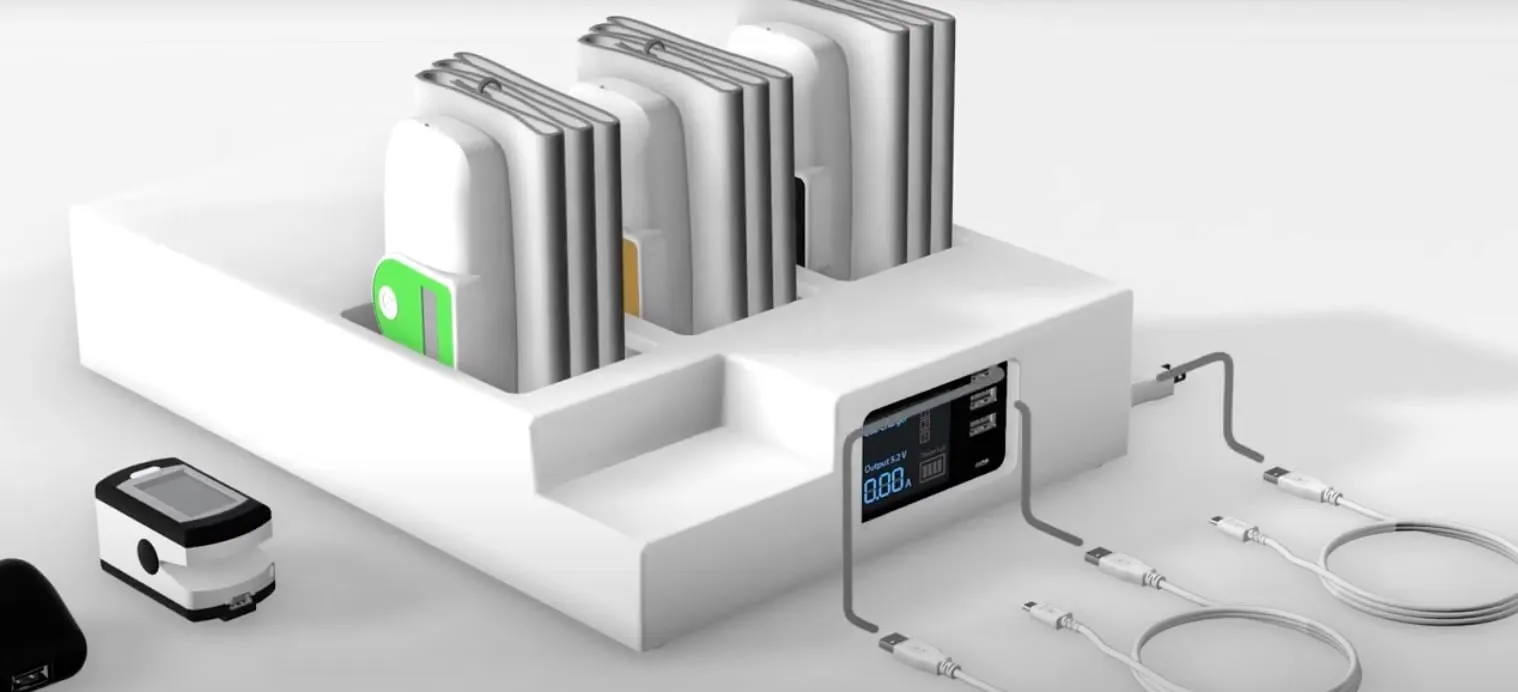
How the TM Flow System combines technology and patient care to simplify and streamline in-office diagnostic testing for physicians.
How non-invasive TM Flow System testing helps physicians gather critical diagnostic data safely, with less patient discomfort and risk, to optimize care.
Small fiber neuropathy is common and underdiagnosed. Why early detection matters and how the TM Flow System’s sudomotor testing finds it in a routine visit.
PAD is projected to affect 19 million Americans by 2050 and is most common after 65. How the TM Flow System’s ABI testing helps catch it early in the office.
What the Ankle Brachial Index (ABI) measures, why an abnormal ABI points to peripheral artery disease, and how the TM Flow System runs ABI testing in-office.
15-19 million Americans have peripheral arterial disease. How the TM Flow System’s non-invasive in-office ABI testing identifies PAD in three billable tests.