The need for physiologic data in chronic care
Chronic conditions such as diabetes, hypertension, dyslipidemia, and metabolic syndrome develop gradually, often long before clinical symptoms emerge. As these conditions progress, vascular and autonomic dysfunction begin to affect long-term outcomes, yet early physiologic changes often go unmeasured in primary care. The TM Flow System provides an efficient way to incorporate objective vascular and autonomic data into chronic disease management, helping clinicians refine risk assessments, adjust treatment plans, and improve documentation for longitudinal care.
How the TM Flow System strengthens ongoing management
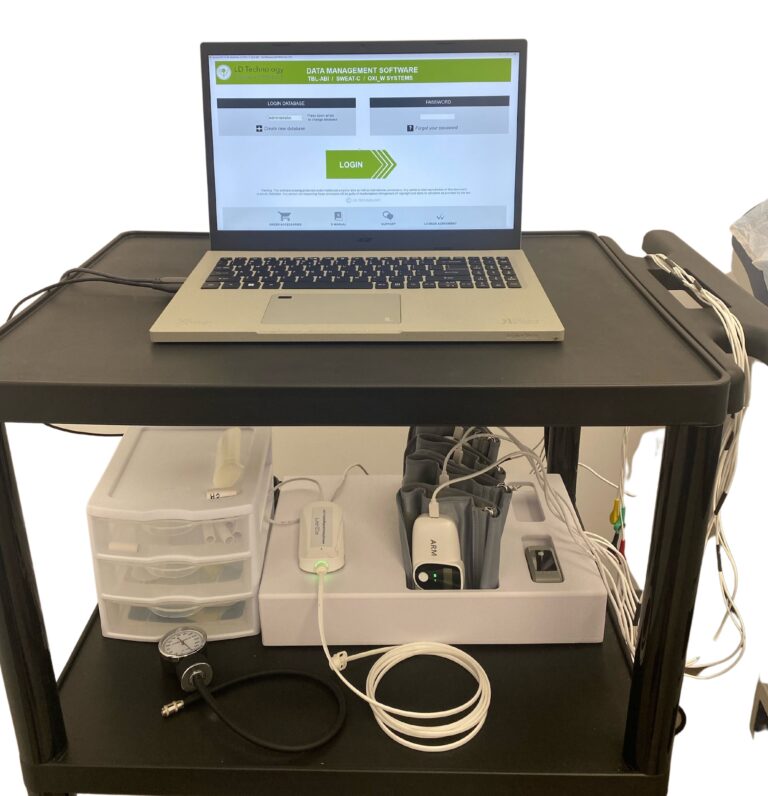
The TM Flow System integrates ankle-brachial index, autonomic testing, and sudomotor assessment into a single, in-office session. This combination allows clinicians to evaluate large-vessel perfusion, sympathetic skin response, and autonomic balance in the same clinical context. Because these systems are frequently affected by chronic cardiometabolic disease, the TM Flow System helps identify complications earlier and provides quantitative data that support personalized care.
Identifying early progression in diabetes and metabolic syndrome
Many diabetic patients develop autonomic and small fiber neuropathy early in the disease process, sometimes before changes in A1c or lipid levels become evident. Sudomotor abnormalities can indicate early small fiber involvement, while autonomic metrics highlight parasympathetic and sympathetic imbalance that correlates with higher cardiometabolic risk. ABI measurements help uncover vascular insufficiency that may otherwise be attributed to neuropathy or musculoskeletal pain. Integrating these findings into chronic disease management plans helps clinicians intervene earlier with medication adjustments, glycemic control strategies, and lifestyle counseling.
Supporting hypertension and cardiovascular risk management
Hypertensive patients benefit from regular assessment of vascular and autonomic function. Autonomic dysregulation is common in longstanding hypertension, and reduced variability may correlate with inadequate control or elevated cardiovascular risk. ABI testing contributes additional insight by identifying subclinical peripheral arterial disease, a marker of systemic atherosclerosis. Incorporating these physiologic findings into chronic disease visits allows clinicians to refine antihypertensive treatment, evaluate adherence, and identify when escalation or referral may be needed.
Enhancing documentation for chronic care planning
The TM Flow System produces structured, chart-ready reports that support long-term monitoring. These reports allow clinicians to track vascular and autonomic trends over time and document physiologic responses to treatment interventions. When results improve, clinicians can demonstrate progress to patients and reinforce adherence. When results worsen, the documentation provides clear evidence to adjust therapy, coordinate specialty care, and justify further diagnostic evaluation. This strengthens the clinical record and aligns with quality reporting and chronic care management requirements.
Practical integration into follow-up visits
The TM Flow System fits naturally into routine follow-up appointments for chronic disease management. Testing is completed in minutes by trained staff, and reports are available immediately for discussion. This allows clinicians to incorporate results into the same appointment without adding extra visits or disrupting clinic flow. Because testing does not require specialized equipment, it can be performed alongside other chronic care services such as foot exams, medication reviews, or preventive screenings.
Reimbursement and sustainability
Multiple CPT codes support reimbursement for TM Flow components, including autonomic testing, sudomotor assessment, and ankle-brachial index measurement. These codes help clinics maintain financial sustainability while expanding the quality and depth of chronic disease evaluation. When used within chronic care management programs, physiologic data support documentation requirements and provide measurable outcomes that help demonstrate the value of continued follow-up.
Improving patient understanding and engagement
Objective data often help patients better understand their condition and the importance of ongoing management. ABI values, autonomic measures, and sudomotor findings provide visual evidence of risk and progression. This clarity supports shared decision-making and strengthens patient adherence to treatment recommendations. When improvements are shown over time, patients can see the impact of consistent medications and lifestyle changes.
Conclusion
By integrating TM Flow results into chronic disease management plans, clinicians gain a clearer understanding of vascular and autonomic function in patients with cardiometabolic risk. The system supports earlier identification of complications, enhances documentation, and strengthens communication with patients. It helps providers deliver more precise, data-driven chronic care without adding complexity to workflows.
To learn more about how the TM Flow System can support chronic disease management, call (731) 234-5095 or (423) 914-2986 today.