The Challenge of Complexity in Senior Care
Managing the health of senior patients requires a multifaceted approach that accounts for overlapping vascular, neurological, and metabolic concerns. In geriatric medicine, symptoms like dizziness, fatigue, and mobility issues are often multi-factorial, making it difficult for primary care clinicians to pinpoint the primary driver of a patient’s decline. Subjective assessments alone often fail to capture the physiological nuances of autonomic and vascular health in the elderly.
Objective Data for Better Care Coordination
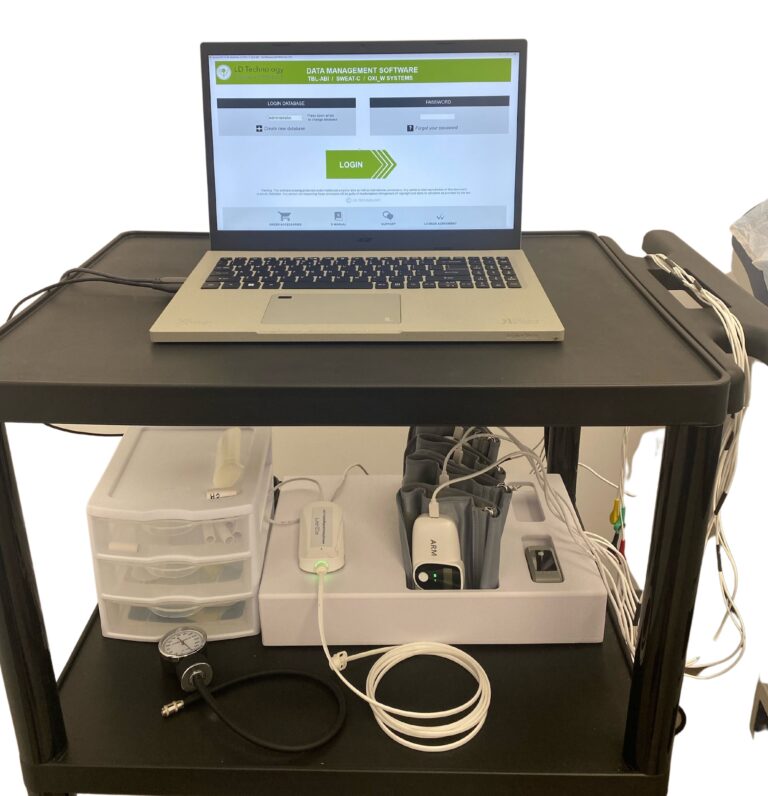
The TM Flow System provides a non-invasive, objective method for clinicians to assess both the autonomic nervous system (ANS) and the peripheral vascular system in a single seven-minute test. By integrating these results into senior care management workflows, practices can transition from reactive symptom management to proactive, data-driven care.
- Identifying Orthostatic Risks: Objective sudomotor and ANS data can help clinicians identify subclinical autonomic dysfunction that increases the risk of syncope and falls—the leading cause of injury among seniors.
- Vascular Health Monitoring: Monitoring Peripheral Arterial Disease (PAD) via Ankle-Brachial Index (ABI) and Volume Plethysmography ensures that vascular insufficiency is addressed before it leads to non-healing wounds or mobility loss.
Streamlining Senior Care Workflows
Integrating TM Flow into senior care does not require an overhaul of existing schedules. Many practices find success by:
- Incorporating Testing into Annual Wellness Visits (AWV): Utilizing the TM Flow System during the AWV allows clinicians to establish a physiological baseline for elderly patients, identifying hidden cardiovascular and autonomic risks before they manifest as acute events.
- Standardizing Testing: Including TM Flow as a standard component of initial intake for all patients over 65 or those enrolled in Chronic Care Management (CCM).
- Enhancing Documentation: Using objective reports to support medical necessity for further interventions or specialist referrals.
- Family Engagement: Sharing visual, easy-to-understand reports with caregivers to help them understand the patient’s physical limitations and the importance of prescribed treatment plans.
Enhance Your Senior Care Protocols
Providing high-quality care for an aging population requires the best diagnostic tools available. If you are ready to integrate objective vascular and autonomic testing into your practice, the team at Primary Care Diagnostics is here to help.
To learn more about the TM Flow System, contact us today at (731) 234-5095 or (423) 914-2986 or fill out the form below to get started.