The Importance of Monitoring Cardiometabolic Health
Cardiometabolic disease remains one of the most significant contributors to morbidity and mortality worldwide. Conditions such as diabetes, hypertension, and metabolic syndrome often develop gradually, with physiologic changes occurring long before major clinical events arise. Because of this slow progression, clinicians benefit from tools that allow them to monitor underlying physiologic trends rather than relying solely on symptom changes or isolated lab values.
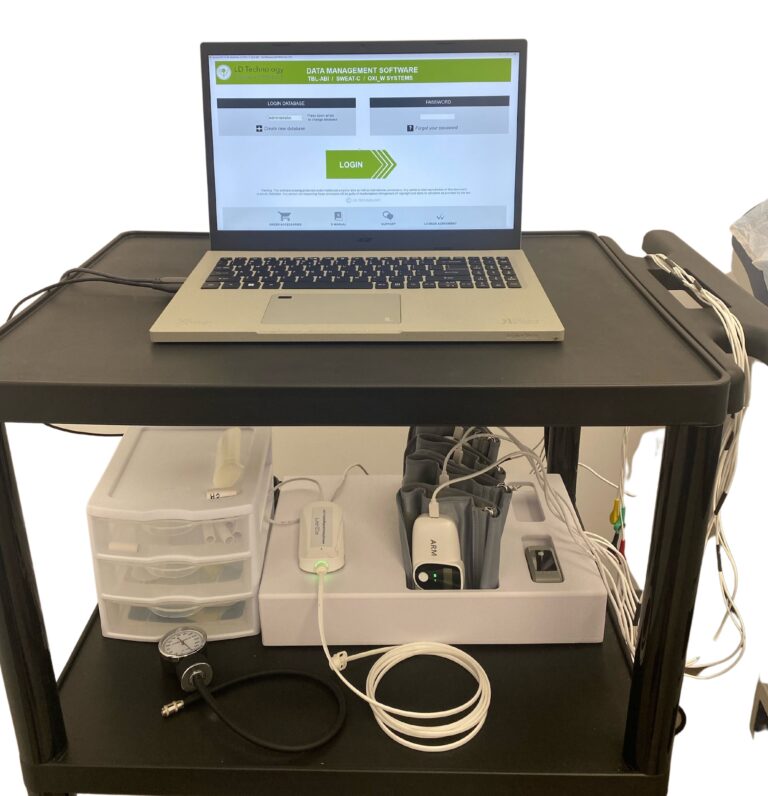
Objective physiologic data can provide an additional layer of insight into how a patient’s vascular and metabolic health evolves over time. The TM Flow System offers a practical in-office method for evaluating cardiometabolic status and tracking changes during ongoing care.
Understanding Cardiometabolic Risk
Cardiometabolic risk reflects the combined influence of metabolic and cardiovascular factors that contribute to long-term vascular disease. Elevated glucose levels, hypertension, obesity, and lipid abnormalities can all affect vascular function and nerve health. Over time, these conditions can impair circulation and contribute to complications such as peripheral arterial disease and neuropathy.
While traditional risk markers remain important, physiologic measurements provide a more direct look at how these underlying conditions affect the body’s systems.
How the TM Flow System Evaluates Cardiometabolic Health
The TM Flow System combines noninvasive vascular and nerve-related measurements to provide a broader picture of physiologic function. Vascular testing evaluates circulation in the lower extremities and helps identify peripheral arterial disease through objective perfusion values. These measurements can reveal reduced blood flow that may not yet be apparent during routine clinical examination.
Sudomotor testing evaluates small fiber nerve function by measuring sweat gland activity. Because small nerve fibers are often affected early in metabolic disease, changes in sudomotor function can signal physiologic stress related to cardiometabolic conditions.
When these data points are considered together, clinicians gain insight into how metabolic disease may be affecting both circulation and nerve health.
The Value of Trending Physiologic Data
One of the most valuable aspects of the TM Flow System is its ability to track cardiometabolic changes over time. Rather than providing only a single diagnostic snapshot, the system allows clinicians to observe trends in physiologic measurements across multiple visits.
Trending data can reveal whether circulation and nerve function are improving, stabilizing, or declining as treatment plans evolve. For patients engaged in lifestyle modifications or medication adjustments, these objective indicators provide measurable feedback about the effectiveness of care strategies.
Supporting Chronic Disease Management
Many patients with cardiometabolic disease require long-term management that includes regular monitoring and adjustments to therapy. The TM Flow System supports this process by providing objective data that can complement traditional assessments such as blood pressure measurements, laboratory values, and symptom reports.
When physiologic trends indicate improvement, clinicians gain confidence that treatment strategies are working. When changes suggest decline, care plans can be adjusted earlier, potentially preventing further complications.
Improving Patient Engagement
Objective physiologic data can also enhance patient understanding and engagement. When patients see measurable changes in vascular or nerve function, they often gain a clearer understanding of how lifestyle factors and treatment adherence influence their health.
This transparency can encourage patients to remain engaged with treatment plans and reinforce the importance of long-term cardiometabolic management.
A Practical Tool for Long-Term Monitoring
Cardiometabolic disease requires consistent monitoring and thoughtful management over time. By providing objective insight into vascular and nerve function, the TM Flow System helps clinicians move beyond isolated measurements and observe meaningful physiologic trends.
Tracking cardiometabolic risk with objective data supports earlier intervention, more informed clinical decisions, and stronger long-term care for patients managing chronic metabolic conditions.