Why Cognitive Baselines Matter
Cognitive decline often begins gradually, with subtle changes that may be difficult to detect during routine clinical visits. Patients may report occasional forgetfulness or slowed thinking, but early symptoms can overlap with normal aging or temporary stress. Without an objective baseline for comparison, determining whether cognitive function is stable or changing over time can be challenging.
Establishing a cognitive baseline allows clinicians to monitor brain function more effectively and recognize meaningful changes earlier in the course of disease.
Identifying Patients Who May Benefit from Baseline Testing
Many patients carry risk factors that increase the likelihood of developing cognitive impairment later in life. Age remains the most significant factor, but cardiovascular disease, diabetes, metabolic syndrome, and family history can also contribute to increased dementia risk.
Patients who present with mild memory concerns or subtle cognitive complaints may benefit from objective baseline testing. Establishing this reference point provides a valuable foundation for future comparisons if symptoms progress.
How the COGNISION® System Measures Brain Function
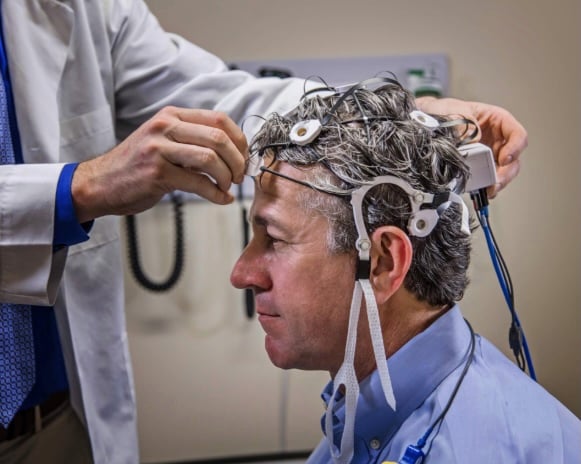
The COGNISION® System provides in-office ERP and EEG testing designed to evaluate brain function through objective physiologic measurements. During testing, patients wear a comfortable headset while responding to auditory stimuli that generate time-locked brain responses. These responses reflect how the brain processes information related to attention and working memory.
Resting EEG activity is also recorded to measure background neural function. Together, these measurements provide insight into neural processing that complements clinical evaluation and traditional cognitive screening tools.
Creating a Baseline for Future Comparison
One of the primary benefits of the COGNISION® System is the ability to establish a measurable cognitive baseline. Once testing is completed, clinicians receive structured reports that summarize physiologic findings in a format that can be incorporated directly into the medical record.
When patients return for follow-up testing, these baseline measurements allow clinicians to compare results over time. Changes in neural processing patterns can help identify early signs of cognitive decline that might not yet appear in routine cognitive screening.
Supporting Early Detection of Dementia
Early identification of dementia allows clinicians to initiate interventions and support services sooner. Objective physiologic data can strengthen clinical decision making when evaluating patients with subtle cognitive concerns.
By combining clinical assessment with reproducible brain function measurements, clinicians gain greater confidence when determining whether symptoms warrant further evaluation, monitoring, or referral.
Enhancing Communication with Patients and Families
Cognitive health discussions can be challenging for both patients and their families. Objective testing results can help clarify the situation by providing measurable data that supports clinical observations.
When patients understand how their brain function is being monitored over time, they often feel more engaged in the evaluation process and better prepared for future care decisions.
Strengthening Longitudinal Cognitive Care
Dementia care often requires ongoing monitoring rather than a single diagnostic moment. Establishing a baseline with the COGNISION® System creates a reference point that strengthens longitudinal care.
As follow-up testing is performed, clinicians can observe trends in brain function that help guide treatment planning and patient counseling.
Advancing Early Detection in Clinical Practice
Early recognition and monitoring of cognitive decline remain central goals in dementia care. The COGNISION® System provides clinicians with a practical way to establish baseline brain function and track changes over time.
By incorporating objective physiologic data into cognitive evaluation, clinicians can support earlier detection, improve monitoring, and strengthen the long-term management of patients at risk for dementia.