
When Memory Concerns and Screening Results Do Not Tell the Same Story: The COGNISION® System
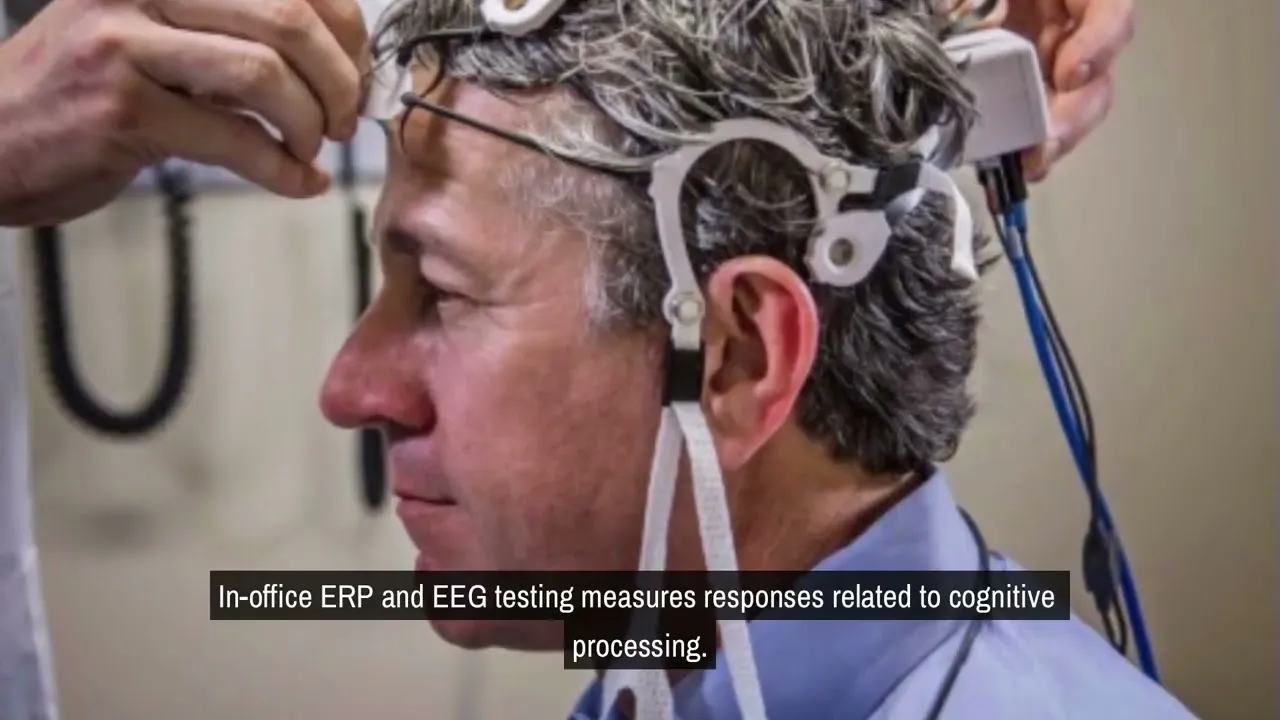
When a brief cognitive screen and family reports disagree, COGNISION ERP/EEG testing adds objective brain-function data and a baseline to compare over time.
When a brief cognitive screen and family reports disagree, COGNISION ERP/EEG testing adds objective brain-function data and a baseline to compare over time.
Dementia assessment is a longitudinal process. How COGNISION ERP/EEG testing gives providers objective data when screening results and family reports disagree.
Dementia care planning covers safety, independence, medications and follow-up. How COGNISION ERP/EEG data gives providers a clearer clinical picture over time.
Forgetfulness, slowed thinking and reduced attention are subtle and fluctuate. How COGNISION ERP/EEG testing strengthens assessment of mild cognitive changes.
When family reports and borderline screening results disagree, COGNISION ERP/EEG testing adds objective data to dementia evaluation.
Early dementia can show as slowed thinking or attention and working memory changes that questionnaires miss. How COGNISION testing strengthens the evaluation.
Without a baseline it is hard to know whether cognition is stable or changing. How COGNISION testing sets cognitive baselines in patients at risk for dementia.
Early dementia symptoms are subtle and easily attributed to aging. How the COGNISION System supports early detection and ongoing monitoring in practice.
Pen-and-paper screenings fall short for dementia and TBI. How COGNISION ERP/EEG testing gives neurology objective assessment of both conditions.
Distinguishing normal aging from early cognitive decline is difficult when symptoms fluctuate. How the COGNISION System documents change with objective data.