Cognitive health as a core component of chronic care
Cognitive decline often emerges gradually in patients with chronic conditions such as diabetes, cardiovascular disease, and depression. These conditions contribute to subtle changes in processing speed, attention, and working memory that may not be apparent on screening tools alone. Chronic Care Management programs rely on consistent monitoring, structured documentation, and early detection of change. The COGNISION® System provides in-office ERP and EEG data that help clinicians document cognitive stability, identify decline earlier, and support comprehensive long-term care.
Bringing objective physiology into chronic care workflows
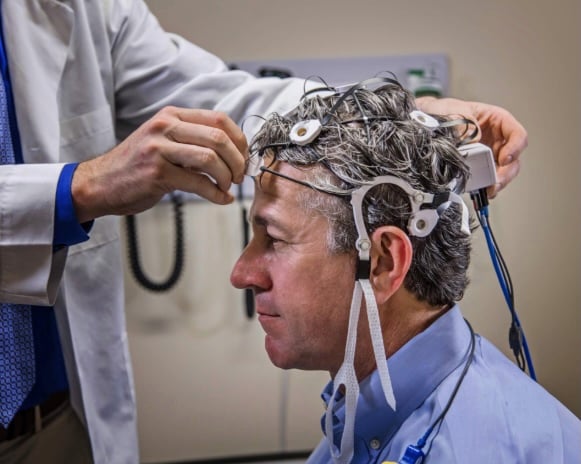
The COGNISION® System captures electroencephalographic activity and event-related responses during a brief auditory task. These physiologic signals reflect how the brain processes information related to attention and working memory. Because chronic disease often affects these domains, ERP and EEG results offer valuable insight into how a patient’s cognitive function is evolving over time. The system produces standardized reports that can be integrated into the medical record and trended across visits.
Practical implementation within chronic care management
The system’s workflow is well suited for chronic care programs. Setup takes only five to ten minutes, and testing is completed in about an hour in any exam room. Results are available immediately, allowing clinicians to review findings and adjust care plans during the same appointment. Because the test can be performed by trained staff, it fits easily into monthly or quarterly chronic care visits without disrupting the schedule. Serial testing helps establish clear baselines and track meaningful changes in cognitive performance.
Supporting comprehensive evaluation
Chronic care programs emphasize holistic assessment, including physical health, medication adherence, mental health, and functional status. ERP and EEG data add a physiologic dimension that complements this approach. When cognitive complaints arise, the COGNISION® System helps distinguish stable aging from early decline. When symptoms appear unchanged, stable physiologic findings support reassurance and continuation of the current plan. When measurable changes occur, the documentation provides a clear basis for referral or further evaluation.
Enhancing communication with patients and caregivers
Objective ERP and EEG data help clinicians explain cognitive findings with clarity. Patients and families often find it easier to understand changes when they can see consistent physiologic measurements over time. This transparency strengthens shared decision-making and provides measurable evidence to support discussions about safety, support needs, and long-term planning. The structured format of COGNISION® reports makes it straightforward to communicate findings across the care team.
A validated tool for chronic disease populations
The COGNISION® System has been validated across more than 30,000 tests and is FDA-cleared for clinical use. It is listed by the Alzheimer’s Association and is supported by professional recommendations for concussion evaluation. These credentials reinforce its clinical reliability when used as part of long-term monitoring for patients at risk of cognitive decline. For chronic care populations, especially those with metabolic or vascular risk factors, this validation supports its use as a meaningful physiologic measure.
Reimbursement and program sustainability
The COGNISION® System is reimbursable under Medicare using multiple CPT codes that cover the full testing process. Practices report an average reimbursement per session that supports continued use within chronic care programs. Financing options through GSG Capital provide additional flexibility, allowing clinics to adopt the system without significant upfront expense. When combined with chronic care management reimbursement structures, cognitive testing contributes to a sustainable and comprehensive program.
Strengthening longitudinal documentation
One of the most important components of chronic care management is ongoing documentation of patient status. ERP and EEG reports offer structured, repeatable data that can be compared across visits. These trends help clinicians determine whether cognitive changes are progressing, stabilizing, or improving. This documentation also supports communication with neurology, geriatrics, and other specialists when referral is needed.
Conclusion
The COGNISION® System brings objective cognitive physiology into the chronic care management process. It supports early detection of decline, strengthens documentation, and enhances communication with patients and caregivers. By integrating ERP and EEG testing into routine follow-up, primary care practices can monitor cognitive health with clarity and consistency.
For more information about how the COGNISION® System supports chronic care programs, call (731) 234-5095 or (423) 914-2986 today.